Rethinking temporalities through being with children: A dialogic reflection
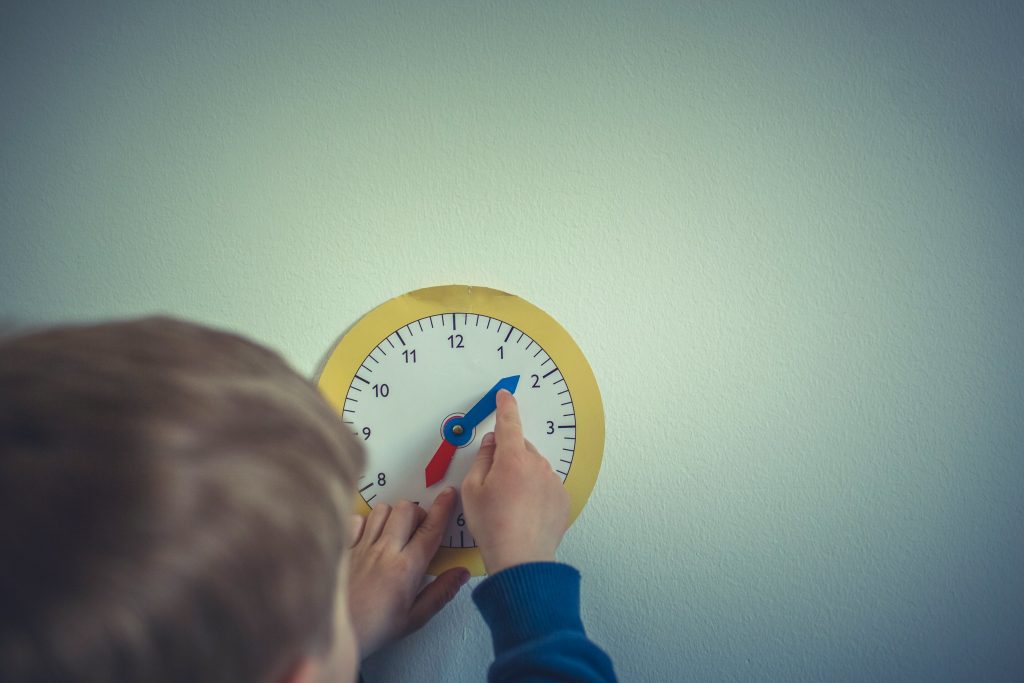
In this new Open Access article, our colleague Markéta Supa leads an international collective of scholars in exploring children’s unique temporalities and the value of slow scholarship.
Abstract
Children’s everyday lives are shaped by shifting rhythms of movement, suspension, and retrospection through which time becomes lived, imagined, and meaningful. This article brings together interdisciplinary and international perspectives of an author collective, including Rebekah Willett (University of Wisconsin-Madison), Kristiina Kumpulainen (University of British Columbia), Harini Rajagopal (University of British Columbia), Jenny Byman (University of Helsinki), Layla Coleman (University of Wisconsin-Madison), Jacqueline Kociubuk (University of Rhode Island), Jenny Renlund (University of Helsinki), Chin Chin Wong (University of Helsinki), and Melanie Wong (University of British Columbia), in addition to WONDRE’s Markéta Supa. Across a prologue and nine reflective pieces developed through prolonged dialogue, the authors explore time in children’s diverse everyday contexts — including home, school, public, digital, and natural environments — in Canada, Czechia, Finland, and the USA. By applying a temporal lens on projects spanning literacy, ecology, placemaking, and media, the collection conceptualises time as non-linear, plural, situational, and relational. This enables a closer understanding of how children’s experiences unfold within tensions between progress-oriented social expectations, ecological timeframes, and their own ways of being and learning. It also highlights the importance of slow and stretched temporalities for creative, reflective, playful, and imaginative practices.
Citation
Supa, M., Willett, R., Kumpulainen, K., Rajagopal, H., Byman, J., Coleman, L., Kociubuk, J., Renlund, J., Wong, C. C., & Wong, M. (2026). Rethinking temporalities through being with children: A dialogic reflection. Global Studies of Childhood, 0(0).
Fulltext here: https://doi.org/10.1177/20436106261449427